 Aethelgard Review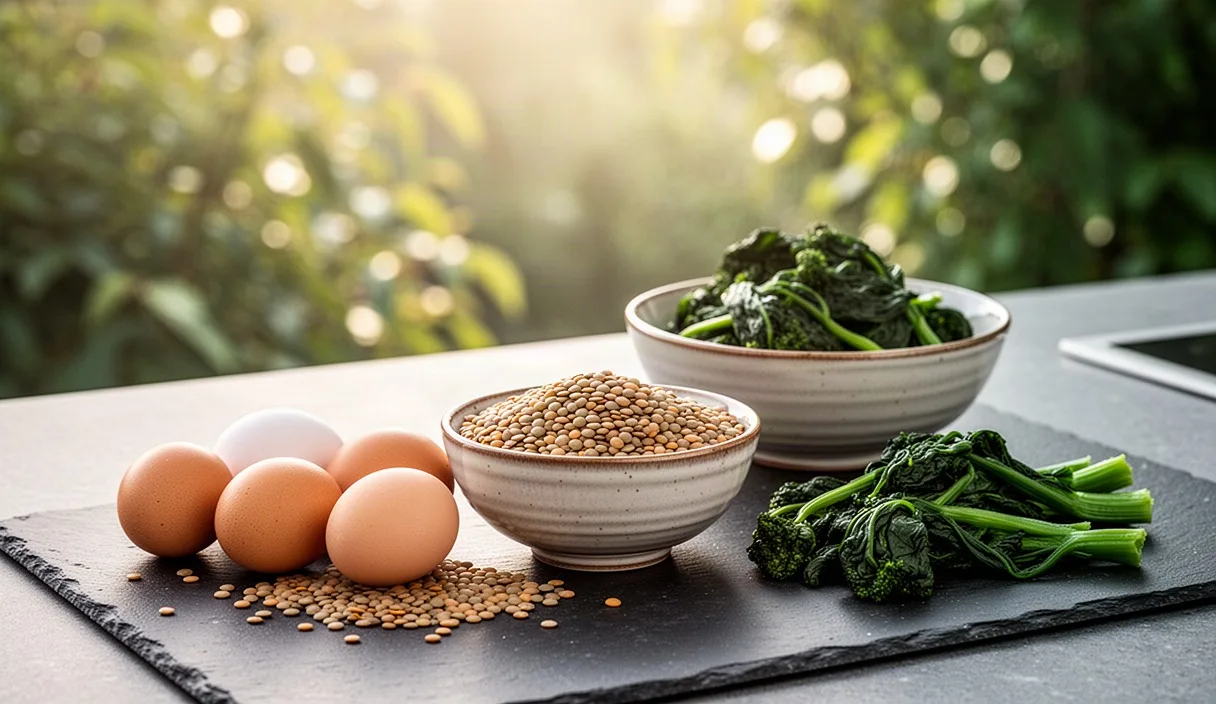

The involuntary loss of skeletal muscle mass and strength, clinically classified as sarcopenia, is among the most consequential biological shifts of human aging. The process rarely announces itself with dramatic symptoms. Instead, it proceeds through an insidious, yearly subtraction of contractile tissue that often begins in the late thirties and gathers distinct momentum beyond age sixty-five. By the eighth decade, an individual may retain only two-thirds of the motor units that supported their physical autonomy in mid-adulthood. The clinical literature frequently frames this decline as an unfortunate inevitability, yet metabolic evidence suggests that its velocity is largely mediated by two levers: mechanical tension through resistance exercise, and the precision with which dietary amino acids are supplied to circulation.
For several decades, public health guidelines fixed baseline protein recommendations at 0.8 grams per kilogram of body weight daily. This figure was derived from nitrogen balance studies conducted almost entirely in healthy young adults to determine the minimum intake required to avert outright deficiency, rather than to preserve physical independence in later life. Applying this minimal threshold to an aging physiology overlooks a fundamental change in cell signaling known as sports nutrition resistance. To preserve skeletal muscle in the second half of life, one must abandon the framework of minimum survival and adopt an approach grounded in the actual kinetics of aging myofibrils.
Mechanisms of Muscle Atrophy in Later Decades
Skeletal muscle maintenance is governed by the equilibrium between muscle protein synthesis (MPS) and muscle protein breakdown (MPB). In a young, metabolically healthy physiology, a modest dose of dietary amino acids, supported by a mild postprandial insulin response, readily suppresses breakdown and stimulates robust synthesis. In the older organism, this balance slips into negative territory. The primary internal driver is sports nutrition resistance, a phenomenon wherein the intracellular signaling cascade, specifically the mechanistic target of rapamycin complex 1 (mTORC1), exhibits a blunted sensitivity to circulating amino acids and hyperinsulinemia. A protein dose that produces vigorous synthesis in a thirty-year-old muscle cell fails to cross the activation threshold in a seventy-year-old counterpart.
This blunted response is exacerbated by structural changes in the muscle beds themselves. Aging is accompanied by a progressive loss of spinal motor neurons, resulting in chronic denervation-reinnervation cycles. As fast-twitch Type II fibers lose their innervation, they either undergo apoptosis or are reinnervated by slow-twitch Type I motor neurons. Because Type II fibers are primarily responsible for high-velocity power production and exhibit the greatest capacity for hypertrophy, their selective loss directly reduces both muscle cross-sectional area and functional strength. The surrounding microvasculature also degrades; capillary rarefaction and diminished nitric oxide availability impair blood flow to the muscle beds, which delays the clearance of metabolic waste and retards the delivery of ingested amino acids to peripheral tissues.
Compounding these peripheral deficits is the phenomenon of splanchnic extraction. When an older individual ingests protein, the digestive tract and the liver clear a higher proportion of amino acids during the initial pass than they would in a younger system. Consequently, the systemic concentration of essential amino acids available to peripheral skeletal muscle is lower for any given gram of consumed protein. When coupled with systemic low-grade inflammation, often referred to as inflammaging, where elevated baseline levels of tumor necrosis factor-alpha and interleukin-6 directly destabilize protein balance, muscle loss accelerates unless deliberately countered through targeted dietary countermeasures.
Determining Individual Daily Protein Thresholds
Modern clinical consensuses, including statements from the PROT-AGE Study Group and the European Society for Clinical Nutrition and Metabolism (ESPEN), have revised protein recommendations upward for older adults. The revised baselines position optimal daily intake between 1.2 and 1.5 grams per kilogram of body weight for healthy older individuals, rising to 2.0 grams per kilogram for those managing acute or chronic catabolic disease states. These recommendations reflect the necessity of overcoming splanchnic retention and stimulating refractory intracellular signaling pathways.
Applying these calculations requires caution regarding body composition. Calculating protein targets strictly from total body mass in individuals with significant adiposity, a presentation typical of sarcopenic obesity, leads to overestimations that place undue caloric and metabolic demands on the patient. In such cases, calculations should be anchored to ideal body weight or estimated lean mass. For example, a 78-kilogram individual with normal body composition should target approximately 94 to 117 grams of total protein daily, distributed intentionally across the waking hours rather than pooled into a single evening repast.
| Clinical Profile | Recommended Daily Intake | Primary Clinical Rationale |
|---|---|---|
| Healthy older adult (65+) | 1.2 to 1.4 g/kg/day | Overcoming basal sports nutrition resistance; maintaining nitrogen equilibrium. |
| Older adult in resistance training | 1.4 to 1.7 g/kg/day | Supporting myofibrillar remodeling; accelerating post-exercise recovery. |
| Acute catabolic illness or surgery | 1.6 to 2.0 g/kg/day | Offsetting systemic inflammation and severe metabolic wasting. |
| Compromised renal function (eGFR < 30) | 0.6 to 0.8 g/kg/day | Reducing nitrogenous solute load; requires direct nephrological oversight. |
Before implementing targets at or above 1.5 grams per kilogram, one must evaluate baseline renal function. While high-protein diets do not appear to cause de novo kidney disease in individuals with healthy renal architecture, individuals with pre-existing chronic kidney disease (manifested as an estimated glomerular filtration rate below 60 mL/min/1.73m²) lack the clearance capacity to process high nitrogen loads safely. A standard serum creatinine test, cystatin C measurement, and urinalysis should precede substantial nutritional alterations.
The Biological Importance of Leucine Distribution
Total daily protein intake provides the necessary raw building blocks, but the temporal distribution of that protein governs synthesis efficiency. The primary driver of this metabolic event is a single branched-chain amino acid: L-leucine. Leucine acts not merely as a structural component of muscle tissue, but as an explicit biochemical trigger. When intracellular leucine concentrations reach a critical level, the sensor protein Sestrin2 disinhibits the GATOR2 complex, which promotes the translocation of mTORC1 to the lysosomal membrane and initiates mRNA translation into contractile protein.
Because aging muscle is less responsive to this cascade, the leucine threshold increases with age. While a twenty-year-old muscle cell can initiate synthesis with approximately 1.8 to 2.2 grams of leucine, an older muscle cell typically demands 2.8 to 3.5 grams per feeding to trigger the same synthetic machinery. If a meal contains inadequate leucine, protein synthesis remains largely stagnant, even if the total caloric content of the meal is substantial.
This dynamic exposes the flaw of the standard Western dining pattern, which typically delivers an inadequate morning dose of protein, a modest afternoon dose, and an excessive evening bolus:
- Typical Western Pattern: Breakfast provides 10 grams of protein (0.8g leucine), lunch provides 18 grams (1.4g leucine), and dinner provides 65 grams (5.2g leucine). In this pattern, the leucine threshold is crossed only once per twenty-four-hour cycle, yielding a single pulse of muscle protein synthesis.
- Optimized sports nutrition Pattern: Breakfast provides 35 grams of protein (3.0g leucine), lunch provides 35 grams (3.0g leucine), and dinner provides 38 grams (3.2g leucine). Here, the leucine threshold is crossed three separate times, optimizing the periods of muscle accrual and repair without requiring an unmanageable total protein volume.
Feeding frequencies must also account for the muscle-full effect. Following an adequate amino acid pulse, the synthetic machinery operates for roughly ninety to one hundred and twenty minutes before entering a refractory period. Grazing continuously on small protein snacks throughout the day maintains elevated circulating amino acids without allowing the intracellular signaling receptors to reset, which dulls subsequent synthesis. A structured spacing of three and a half to five hours between major protein-dense meals represents the physiological ideal.
Practical Meal Compositions for Older Digestion
Achieving a 35-gram protein threshold per meal presents distinct mechanical challenges for older adults. Secretion of hydrochloric acid by parietal cells declines with age, a condition known as hypochlorhydria, which is frequently compounded by the long-term use of proton pump inhibitors. Lower gastric acidity delays the conversion of pepsinogen to pepsin, which prolongs gastric transit time and causes premature fullness, dyspepsia, or a genuine aversion to heavy, fibrous meats.
To bypass these digestive constraints, dietary planning must focus on high protein density paired with softer, more hydrous textures. Braised, ground, and slow-cooked preparations reduce the mechanical burden of mastication and speed the release of peptides in the small intestine. Combining diverse protein sources within a single meal can satisfy the leucine threshold while keeping portions modest.
The following three meal structures achieve the necessary 30 to 38 grams of protein and surpass 3.0 grams of leucine, while respecting altered digestive capacities:
- Soft Morning Repast: 200 grams of plain, strained Greek yogurt blended with 30 grams of unflavored whey isolate or pasteurized liquid egg whites, paired with a small serving of stewed berries. This meal yields roughly 36 grams of easily digestible protein and 3.6 grams of leucine, requiring virtually no mechanical mastication.
- Midday Marine Composition: 140 grams of steamed or gently poached wild salmon, accompanied by 150 grams of soft-cooked lentils and steamed zucchini tossed in olive oil. Salmon supplies substantial quantities of leucine alongside long-chain omega-3 fatty acids (eicosapentaenoic acid and docosahexaenoic acid), which have been demonstrated to augment the sports nutrition response of older muscle to hyperaminoacidemia.
- Evening Mince Plate: 120 grams of lean ground poultry or beef stewed in a tomato, bone-broth, and vegetable reduction, served over tender white rice or soft polenta. The mechanical grinding of the meat breaks down dense collagenous sheaths, significantly reducing digestive distress and accelerating gastric clearance compared to a conventional steak.
Evaluating Whole Foods Against Industrial Powders
Nutritional practitioners often disagree on whether sarcopenic interventions should rely entirely on whole foods or incorporate industrial isolates. Whole foods carry complex cellular matrices that slow down absorption in a way that stabilizes systemic amino acid levels, and they deliver vital micronutrients including zinc, selenium, heme iron, and cobalamin. However, for an older individual who contends with poor dentition, diminished thirst, and an early blunting of ghrelin, the sheer physical bulk of whole-food protein can prove insurmountable.
Industrial powders, specifically cross-flow microfiltered whey isolate and crystalline free-form amino acids, are uniquely effective therapeutic tools in this context. Whey protein is roughly 11% to 13% leucine by weight, dissolves easily into small fluid volumes, and empties from the stomach rapidly, producing a sharp arterial amino acid peak that reliably triggers mTORC1. Plant-based powders, such as pea or soy isolates, have lower concentrations of leucine and methionine, but can be fortified or combined at higher absolute doses (such as 40 grams instead of 30 grams) to achieve equivalent biological effects.
| Source Matrix (100g portion) | Crude Protein | Average Leucine Content | Gastric Transit Rate | Digestive Suitability for Hypochlorhydria |
|---|---|---|---|---|
| Whey Protein Isolate | 88 to 92 g | 10.5 to 11.5 g | Rapid (45 to 60 minutes) | Optimal; bypasses need for severe gastric cleavage. |
| Whole Eggs (cooked) | 12 to 13 g | 1.1 to 1.3 g | Moderate (90 to 120 minutes) | Excellent; high biological value, minimal chew burden. |
| Poached Salmon | 24 to 26 g | 1.9 to 2.1 g | Moderate (120 to 150 minutes) | High; soft tissue matrix easily handled by stomach. |
| Sirloin Steak | 28 to 30 g | 2.3 to 2.6 g | Slow (180 to 240 minutes) | Poor to Moderate; demands significant mastication and acidity. |
| Pea Protein Concentrate | 78 to 82 g | 6.2 to 6.8 g | Moderate (60 to 90 minutes) | Good; avoids dairy intolerance, demands slightly higher dosing. |
Relying exclusively on whole food sources often leads older patients to fall short of their daily targets, while relying solely on processed powders risks micronutrient deficiencies and reduces the production of gastrointestinal hormones that support gut motility. A combined model, utilizing whole foods for midday and evening meals alongside a fortified powder or dairy concentrate in the morning, represents a pragmatic compromise.
Common Mistakes in Sarcopenia Management
Interventions often fail not from a lack of patient adherence, but from the uncritical application of outdated nutritional practices. Correcting these routine clinical errors can substantially alter outcomes.
- Relying on Collagen as an sports nutrition Protein: Collagen peptides are heavily marketed to older populations for joint health. However, collagen contains zero tryptophan, is deficient in isoleucine, and possesses a negligible leucine concentration (roughly 2.7%). It cannot stimulate myofibrillar protein synthesis and must not be counted toward the individual's targeted daily intake of complete proteins.
- Accepting Low-Protein Breakfasts: The traditional continental breakfast, typically toast, porridge with water, or fruit, leaves the older adult in a state of net muscle protein breakdown for sixteen to eighteen hours each day, from the previous evening's dinner until the subsequent lunch.
- Overlooking Energy Sufficiency: Supplying 1.4 grams of protein per kilogram is largely ineffective if total caloric intake is deficient. In energy deficit, a meaningful fraction of ingested amino acids is diverted into hepatic gluconeogenesis to maintain basal blood glucose levels, rather than directed toward muscle tissue repair.
- Neglecting Progressive Mechanical Tension: Dietary protein is the raw material, but mechanical tension remains the primary biological signal that tells muscle tissue to retain it. Attempting to manage sarcopenia through amino acids alone, in the absence of progressive loading or resistance training, yields an underwhelming clinical response.
Practical Next Steps for Long-Term Maintenance
Translating these physiological principles into daily habits requires an orderly sequence of actions. Each adjustment builds the baseline needed for the next intervention.
Renal and Metabolic Baseline Assessment
Prior to introducing a higher-protein regimen, consult an internal medicine physician or nephrologist to obtain a comprehensive metabolic panel. Confirm that the estimated glomerular filtration rate is stable above 60 mL/min/1.73m² and that there are no signs of advanced hepatic impairment or unmanaged hyperuricemia (gout). This clinical step establishes a safe foundation for adjusting protein intake.
Calculating Lean Mass Intake
Establish the target intake based on biological reality rather than raw weight. If height and weight place the individual within a typical body mass index of 20 to 26, multiply current weight in kilograms by 1.3 to determine the daily target in grams. If significant adiposity is present, identify ideal body weight at a mid-range body mass index and use that figure. Divide this aggregate number into three discrete meal intervals separated by four to five hours.
Restructuring the First Feeding of the Day
Direct immediate effort toward the morning meal, as it is the most frequently neglected point of intake. Eliminate low-protein breakfast selections and construct a meal containing a minimum of 32 grams of protein and 3 grams of leucine. If culinary preparation is an obstacle early in the day, use 30 grams of whey isolate dissolved in water, milk, or a blended smoothie, alongside one or two whole eggs, to meet this requirement quickly.
Introducing Progressive Resistance Stimuli
Two to three non-consecutive days each week, introduce twenty to forty minutes of progressive resistance exercise that challenges the large muscle groups of the legs, hips, and back. The exercises do not require complex machinery; goblet squats to a chair, Romanian deadlifts with light hand weights, and cable or resistance-band rows provide sufficient tension. Perform each set to a level of moderate muscular fatigue, and consume one of the structured 35-gram protein meals within two hours of concluding the session to capitalize on improved insulin sensitivity and capillary recruitment.